Saudi Arabia has expanded its international energy cooperation through three agreements announced during Riyadh Energy Week, reinforcing the Kingdom’s role in global energy dialogue, technology collaboration and sustainable development.
The agreements, signed on October 2026 alongside the 25th WPC Energy Congress in Riyadh, involve the Saudi Ministry of Energy, the International Energy Forum (IEF), the Kingdom’s Oil Sustainability Program (OSP), Sierra Leone’s Ministry of Energy and the US-based Bettering Human Lives Foundation.
Together, they establish new frameworks for cooperation in clean energy technologies, carbon management, sustainable energy access and cleaner cooking solutions.
The developments also highlight the growing importance of international partnerships in addressing practical energy challenges — an area of potential relevance to Australian businesses with expertise in energy technology, engineering and infrastructure.
Key Takeaways
- Saudi Arabia announced three international energy cooperation agreements during Riyadh Energy Week in October 2026.
- The Ministry of Energy signed a memorandum of understanding with the International Energy Forum to strengthen collaboration on clean energy technologies and the Circular Carbon Economy.
- The Oil Sustainability Program signed an MoU with Sierra Leone to explore renewable energy opportunities, transport energy solutions and improved access to cleaner cooking.
- A separate agreement with the US-based Bettering Human Lives Foundation focuses on developing cooperation around liquefied petroleum gas (LPG) cooking solutions.
- The agreements provide frameworks for research, technical collaboration, knowledge exchange and potential future initiatives.
- The developments offer insight into areas where Australian energy and engineering expertise could support international cooperation.
Saudi Arabia Expands Cooperation with the International Energy Forum
A central development was the signing of a memorandum of understanding between Saudi Arabia’s Ministry of Energy and the International Energy Forum.
The agreement establishes a structured framework for cooperation in clean energy, climate change mitigation and the Circular Carbon Economy (CCE).
The CCE approach focuses on four principles: reducing, reusing, recycling and removing carbon emissions.
It recognises the importance of developing different technologies and industrial solutions to address emissions while supporting energy access and economic development.
Under the agreement, the Saudi Ministry of Energy and the IEF will advance cooperation in four principal areas:
- Sustainable practices in clean energy and related technologies.
- Climate change mitigation and Circular Carbon Economy solutions.
- Regional cooperation through the Circular Carbon Economy Regional Collaboration Initiative.
- International and regional engagement on energy and climate-related matters.
The partnership also provides for specialist exchanges, technical studies, joint research and industry discussions.
These activities are intended to strengthen the exchange of knowledge and identify practical barriers to implementing energy technologies across different markets.
The agreement builds on an established relationship between Saudi Arabia and the IEF, an international organisation that facilitates dialogue among energy-producing, consuming and transit countries.
For energy businesses, this form of international collaboration matters because technology development alone does not determine whether a solution can be commercially deployed. Policy alignment, technical standards, access to expertise and coordinated investment can all influence successful implementation.

Supporting Energy Access Through Cooperation with Sierra Leone
Saudi Arabia’s Oil Sustainability Program also signed a memorandum of understanding with Sierra Leone’s Ministry of Energy, focusing on sustainable energy access and technology cooperation.
The agreement was signed by OSP Chief Executive Officer Mohammed Al-Tayyar and Sierra Leone’s Deputy Minister of Energy Abdul Rahman Jalloh.
It establishes a framework for exploring renewable energy projects, developing energy solutions for transport infrastructure and expanding access to cleaner household cooking technologies.
The cooperation includes opportunities to improve access to LPG, electricity and renewable energy solutions, alongside measures to promote energy efficiency.
An important element is the proposed development of integrated plans that respond to local energy needs rather than relying on a single technology.
This approach recognises that energy infrastructure and household requirements vary between communities, creating demand for different combinations of technologies, distribution systems and technical expertise.
The partnership also seeks to encourage investment in cleaner cooking fuels, supporting technologies and associated supply chains.
For businesses operating in energy services and infrastructure, such initiatives demonstrate how international energy cooperation can extend from national policy discussions to practical challenges involving distribution, equipment, accessibility and end-user requirements.
New Partnership Focuses on Cleaner Cooking Solutions
A third agreement was signed between the Oil Sustainability Program and the US-based Bettering Human Lives Foundation.
The agreement focuses on cooperation to expand the availability and adoption of cleaner cooking solutions using liquefied petroleum gas.
The partnership will explore potential projects, strengthen knowledge exchange and assess implementation approaches appropriate for target communities.
It also includes opportunities to support women-led community initiatives, improve public awareness of safe fuel use and encourage the sustained adoption of cleaner cooking technologies.
Another area of cooperation involves the LPG supply chain, including opportunities to strengthen the infrastructure and services necessary to support wider access.
Although the announcement does not establish a confirmed project investment value or implementation timetable, it provides a basis for further technical and institutional collaboration.
This distinction is important when assessing the commercial significance of the agreement: the immediate achievement is the establishment of a partnership framework, while future projects will depend on subsequent decisions, feasibility work and implementation arrangements.
Riyadh Energy Week Highlights Saudi Arabia's International Role
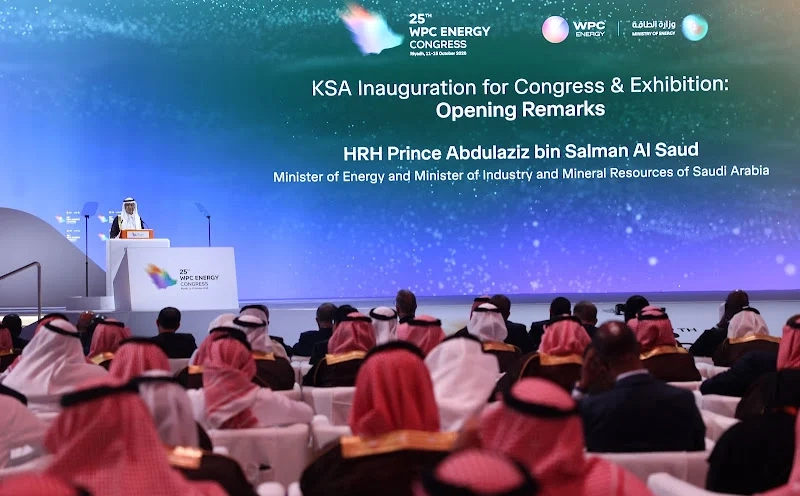
The agreements were announced during Riyadh Energy Week, held from 11 to 15 October 2026.
The programme included the 25th WPC Energy Congress and the 17th International Energy Forum Ministerial Meeting, bringing together representatives of governments, international organisations and the energy industry.
The WPC Energy Congress attracted more than 33,000 registrations from 135 countries, the highest recorded in the event’s 93-year history, according to the Saudi Press Agency.
Hosted by Saudi Arabia for the first time, the Congress provided a platform for discussion on energy investment, innovation, industrial development and future energy systems.
The agreements signed during the week demonstrate how major international industry gatherings can facilitate direct engagement between government institutions and specialist organisations.
For Saudi Arabia, hosting these discussions supports its broader ambition to strengthen its participation in international energy technology and industry cooperation.
Opportunities for Australian Energy and Engineering Businesses
The new agreements are relevant to Australia because several areas of cooperation align with established Australian industry capabilities.
Australia has considerable experience in energy engineering, renewable energy development, industrial infrastructure, resource management and specialist technical services.
Its research institutions and businesses also have capabilities in carbon management, energy systems analysis and technologies intended to improve industrial efficiency.
These capabilities may be relevant to the types of technical and commercial challenges identified in Saudi Arabia’s expanding international energy partnerships.
Potential areas of alignment include:
Energy technology and carbon management: Australian organisations with expertise in industrial emissions management, energy efficiency and technology assessment may find relevant opportunities as Saudi Arabia develops its Circular Carbon Economy initiatives.
Infrastructure and engineering services: Energy access projects often require technical planning, equipment, logistics, safety systems and implementation support. These are areas in which Australian engineering and specialist service providers have relevant experience.
Research and knowledge exchange: The emphasis on joint studies, specialist exchanges and technical collaboration provides a useful model for international engagement involving universities, research organisations and industry specialists.
Commercial partnerships: Australian businesses considering opportunities in Saudi Arabia should identify where their expertise meets an established market requirement and assess the appropriate local partners, procurement pathways and regulatory expectations.
The agreements announced in Riyadh do not represent direct Australia–Saudi Arabia commercial partnerships. Their relevance lies in demonstrating the sectors and forms of cooperation that Saudi Arabia is prioritising internationally.
From Energy Dialogue to Practical Cooperation
The commercial importance of the new agreements will ultimately depend on how cooperation frameworks develop into technical programmes, investment decisions and projects.
Memoranda of understanding can provide a foundation for future activity, but they should not be interpreted as equivalent to completed projects or committed financial investment.
What makes the announcements significant is the range of energy-related issues they address.
Saudi Arabia is pursuing cooperation not only in large-scale energy technology but also in carbon management, technical knowledge exchange, distribution infrastructure and the practical delivery of energy services to communities.
This broader approach reflects the connections between energy development, industrial capabilities and long-term economic diversification.
For international partners, including Australian businesses, understanding these priorities is essential to identifying genuine commercial opportunities.
Saudi Arabia’s latest energy agreements reinforce the importance of partnerships built around specific technical needs, complementary expertise and practical implementation.
As the Kingdom continues its economic diversification under Vision 2030, organisations capable of translating energy expertise into commercially viable solutions may find meaningful opportunities to contribute.