Key Takeaways
- Renewables passed 50% of Australia’s national grid electricity generation for the first time in January 2026.
- Victoria’s first offshore wind auction opens a major new asset class for investors.
- Business investment as a share of Australia’s economy is at its highest level in a decade.
- Data centre construction, projected to reach $150 billion by 2030, is driving new demand for large-scale clean power.
- National IT spending is forecast to exceed AUD 172.3 billion in 2026, up 8.9%.
Australia’s energy transition has quietly crossed a threshold that puts it firmly on the radar of global sustainability investors. Here are five reasons the country’s clean energy sector deserves a closer look.
1. Renewables Now Power More Than Half the Grid
For the first time in the nation’s history, renewable sources generated over 50% of electricity on the national grid, a milestone reached in January 2026. This isn’t a one-off spike — it reflects years of steady build-out in solar, wind, and battery storage infrastructure reaching critical mass.
2. Victoria Just Opened the Door to Offshore Wind
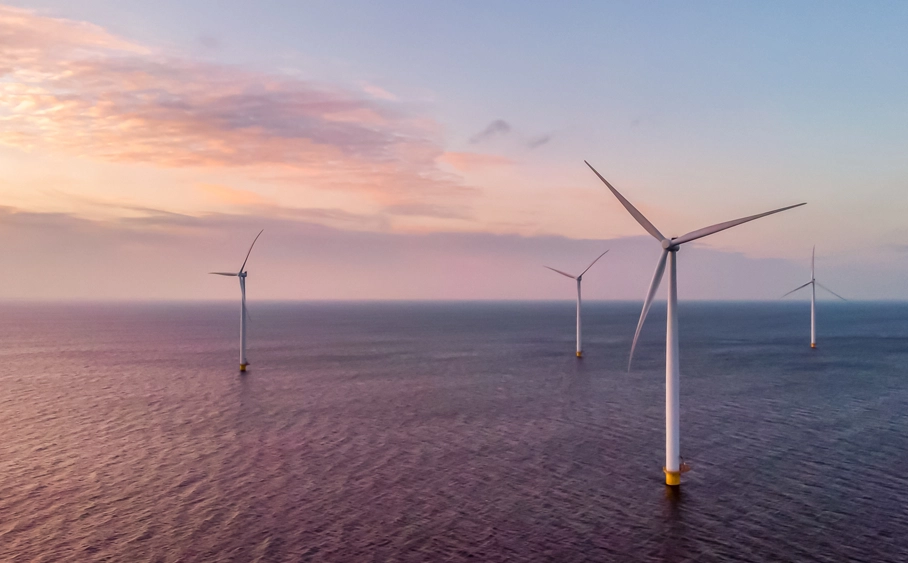
Victoria held Australia’s first offshore wind auction, a moment the Clean Energy Council described as a watershed for the industry, unlocking one of the nation’s richest renewable resources and anchoring jobs and investment in regional areas such as Gippsland. Offshore wind represents an entirely new asset class for Australian energy investors, and this auction is the starting gun — building on momentum already visible in Australia’s advancing renewable hydrogen export projects.
3. Government Policy Is Actively Pro-Investment
Australia’s economic leadership has pointed to business investment as a share of the economy sitting at its highest level in a decade — a trend described as a deliberate, structural policy outcome rather than a temporary cycle. For investors, that’s a meaningful signal: this isn’t accidental growth, it’s engineered growth.
4. The Data Centre Boom Is Turbocharging Energy Demand — and Supply
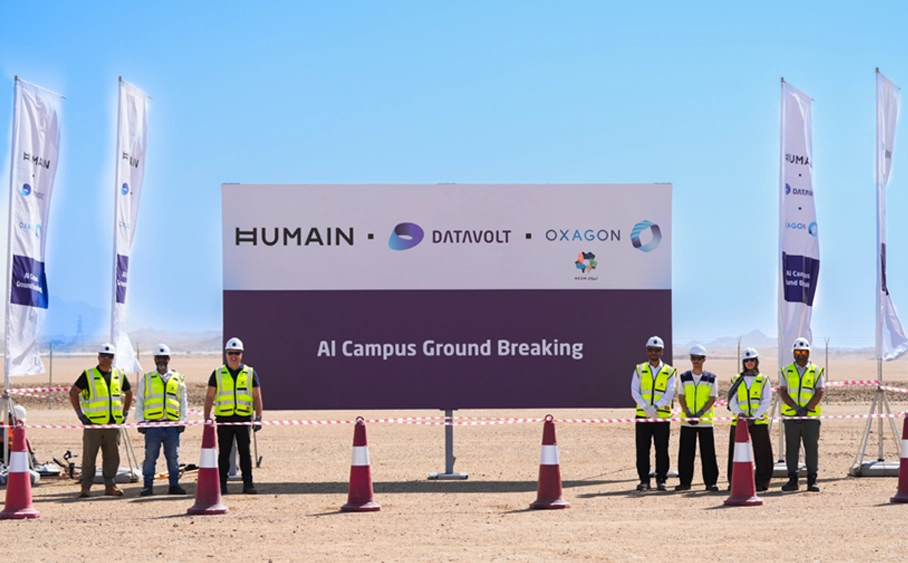
Private capital expenditure in the information, media, and telecommunications sector rose nearly 90% in the first quarter of 2026 alone, driven largely by data centre construction — a trend covered in more depth in Australia’s data centre and AI infrastructure investment surge. Analysts estimate this build-out could total around $150 billion by 2030. That surge in demand for reliable, large-scale power is creating a direct flow-on opportunity for clean energy developers positioned to supply it.
5. IT and Infrastructure Spending Is Climbing Fast
Broader technology investment is climbing in parallel, with national IT spending forecast to exceed AUD 172.3 billion in 2026 — a 8.9% increase — partly fuelled by a national push toward sovereign AI infrastructure. Energy-intensive industries and clean power investment are increasingly moving hand in hand.
Put these five trends together, and the picture is unmistakable: Australia’s clean energy sector isn’t just growing — it’s becoming structurally embedded in the country’s broader investment and technology story.