
Key Takeaways
- Saudi Arabia ranks 108th on the Yale Environmental Performance Index, against a Vision 2030 target of 70th place.
- 35% of senior executives globally cite the planning-to-execution gap as the primary project barrier (PMI, 2025).
- The GCC Standardisation Organisation adopted GSAS as Gulf Standard GSO 3000:2025, a unified green building standard across all six GCC countries.
- The UAE’s Climate Law mandates GHG reporting for all businesses, with penalties up to AED 2 million for non-compliance.
- Saudi Arabia’s grid-connected renewable capacity reached 12.3 GW by early 2026, targeting 130 GW and 50% renewable electricity by 2030
Sustainability Moves from Policy to Delivery
Sustainability has become a central pillar of long-term development strategies across Saudi Arabia and the wider GCC. While earlier efforts focused on policy frameworks and national targets, the emphasis is now shifting toward execution at the project level.
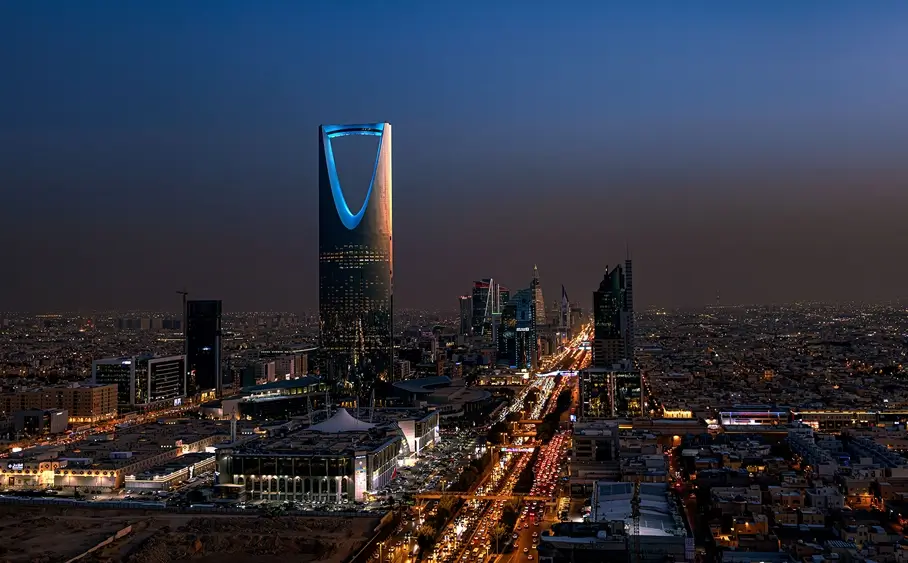
Despite strong infrastructure activity across the region, a gap remains between sustainability ambition and measurable environmental outcomes. Saudi Arabia, for example, is currently ranked 108th globally in the Environmental Performance Index, compared to its Vision 2030 target of reaching 70th place.
This disconnect highlights a broader challenge. According to PMI’s 2025 global survey of more than 5,800 project professionals, 35% of senior executives identify the gap between planning and execution as the primary barrier to project success.
Why Sustainability Often Falls Short at Project Level
Industry experts point to governance as the key issue.
The challenge is not a lack of commitment, but how sustainability is integrated into project delivery. The difference is often determined at the earliest stages of a project:
- When sustainability is embedded at project initiation, it shapes procurement, materials, design, and energy use
- When added later, it becomes a cost burden applied to systems not designed for sustainability
This distinction has significant implications. Projects that integrate sustainability from the outset tend to deliver better long-term outcomes, while retrofitted approaches often face cost overruns and limited impact.
Governance Frameworks Begin to Close the Gap
To address these challenges, structured delivery frameworks are becoming more widely used.
One of the more comprehensive models is the P5 Standard for Sustainability in Project Management, which includes 245 sustainability considerations across areas such as procurement, emissions, resource use, and social impact.
It is designed to shift sustainability from a reporting layer into actual project design and execution. At the regional level, standardisation is also moving forward.
GSO 3000:2025 (GSAS), adopted by the GCC Standardisation Organisation, now provides a unified benchmark for sustainable buildings across all six GCC countries. It aligns with broader building codes and is expected to influence how future developments are assessed and approved.
In parallel, certification systems such as LEED continue to expand across the region. The UAE alone has more than 800 LEED-certified projects, reflecting growing adoption of global sustainability benchmarks.

Regulation Is Increasing Accountability
Regulatory frameworks across the GCC are evolving rapidly, with the UAE leading in enforcement.
Key regulatory developments include:
- Mandatory greenhouse gas measurement and reporting under Federal Decree-Law No. 11 of 2024
- Annual sustainability reporting requirements for ADX and DFM-listed companies
- Compliance penalties ranging from AED 50,000 to AED 2 million
- Mandatory reporting of Scope 1, 2, and material Scope 3 emissions
For businesses operating across multiple GCC markets, the complexity is increasing. Reporting systems must align with international frameworks such as ISSB, GRI, and ESRS while avoiding duplication.
The direction is clear. Sustainability reporting is moving toward mandatory, verified, and globally aligned standards.
Sustainability in Practice: Water and Energy Systems
The shift is not only regulatory. It is also visible in infrastructure delivery.
In Saudi Arabia’s water sector, sustainability is increasingly embedded into daily operations rather than treated as a separate reporting function. Technologies such as advanced reverse osmosis systems and energy optimisation tools are improving efficiency while reducing waste.
Real-time monitoring systems are also becoming more common, allowing operators to track energy consumption, recovery rates, and emissions with greater accuracy.
Energy systems show a similar trend.
Saudi Arabia’s renewable programme has expanded significantly:
- 12.3 GW of grid-connected renewable capacity by early 2026
- 47.7 GW of renewable projects contracted through long-term agreements
- Around 14 GW is currently under development
- A national target of 130 GW by 2030, with 50% of electricity from renewables
Large-scale projects such as NEOM are also embedding sustainability into core design. In these cases, commitments like renewable-powered desalination and wastewater recycling are not add-ons. They are built into the project from the beginning and tracked through delivery.
Innovation and Financing Remain Key Constraints
While technical solutions are available, scaling them remains a challenge.
Key gaps include:
- Development of lower-carbon construction materials suited to regional conditions
- Advanced desalination technologies for water-stressed environments
- Improved insulation and cooling systems for extreme temperatures
- Financing models that prioritise lifecycle efficiency over upfront cost
Procurement frameworks and investment structures continue to play a critical role in determining how quickly these innovations can be deployed.
Implications for Projects and Investors
The shift from sustainability ambition to execution is reshaping how projects are planned and delivered across the GCC.
Organisations that integrate sustainability into governance, procurement, and design processes are better positioned to meet regulatory requirements and long-term performance targets.
At the same time, increasing regulatory pressure and standardisation are raising expectations across the market. For investors and developers, sustainability is no longer a reporting requirement. It is becoming a core component of project viability and competitiveness.
The overall direction suggests a structural shift. Sustainability in the GCC is moving beyond strategy and into measurable, project-level delivery.
References
- Arab News
- PMI Pulse of the Profession 2025
- GPM Global
- SAWACO Water Group